


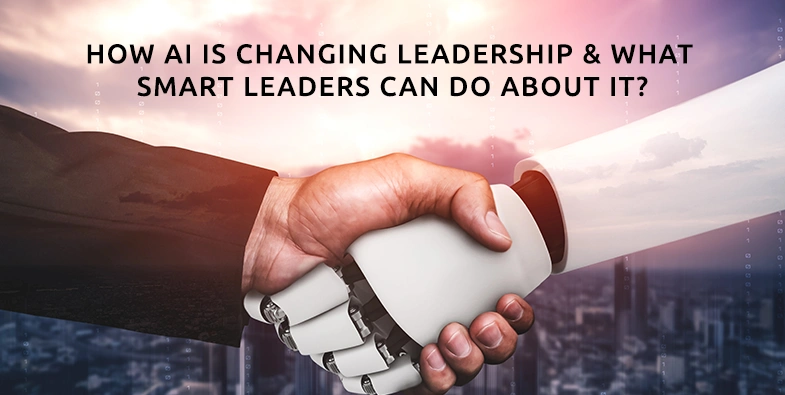
Artificial intelligence is no longer a future possibility. It is already influencing how decisions are made, how teams are managed, and how businesses operate across industries. And as technology continues to integrate deeper into the workplace, the role of a leader is being reshaped in ways that go beyond digital fluency. That is why organizations committed to forward-thinking development, such as those we support at Leadership Edge, are rethinking how they prepare their leaders for what comes next.
While some tasks are becoming automated and data-driven, leadership itself is becoming more human. The responsibilities of leaders are shifting from managing tasks to guiding teams through complexity, change, and innovation.
The Changing Nature of Leadership in the Age of AI
Artificial intelligence has altered the speed and structure of decision-making. Leaders are no longer expected to rely solely on instinct or experience. They now work alongside systems that analyze data, identify trends, and make recommendations in real time.
Successful leaders are not the ones who have all the answers. They are the ones who ask better questions, listen more closely, and navigate ambiguity with clarity and empathy.
Decision-Making Is No Longer a Solo Act
In traditional leadership models, decision-making often rested on a single person or a small group of executives. Today, AI platforms can present insights that inform decisions faster and more accurately than human analysis. However, these platforms still rely on human judgment to determine which and how insights are interpreted and applied.
Good leaders understand that AI is a tool. It does not replace experience, context, or ethical reasoning. That’s why developing these capabilities through critical thinking and decision-making training is becoming essential for leaders navigating AI-led workplaces.
Communication Has Become More Complex
One of the most immediate changes in leadership is the need for clear and thoughtful communication. It is no longer just about outlining goals or managing performance. Leaders must now explain how AI is being used, why certain tools are being adopted, and what those changes mean for the people affected.
This level of transparency builds trust. It shows employees that leadership is not using AI to cut corners, but to create opportunities and improve the quality of work. Our communication training for leaders can help reinforce this kind of clarity and trust across teams.
Adapting Leadership Styles to Meet New Demands
Rigid leadership styles are not effective in rapidly changing environments. Leaders who succeed today tend to be flexible, collaborative, and comfortable with uncertainty. They are willing to shift course when needed and seek input from multiple perspectives.
AI thrives in structured environments. People too, sometimes. Leaders need to balance the predictability of machines with the complexity of human behavior. This means being open to experimentation, feedback, and new ideas, even when the path forward is not obvious.
The Human Skills That Matter More Than Ever
With AI managing data and routine tasks, human-centric leadership skills have become essential. These include empathy, emotional intelligence, creativity, and the ability to inspire and connect with others.
Leaders who focus on building relationships, supporting team development, and leading with purpose are better equipped to guide their organizations through technological change. They understand that people still need to feel seen, valued, and trusted, no matter how advanced the systems around them become.
What Smart Leaders Are Doing Now
The most forward-thinking leaders are not waiting for AI to force change. They are getting ahead of it by actively engaging with what it means for their teams and industries. Here are a few things they are doing:
- Learning how AI impacts their specific roles and workflows without needing to become technical experts
- Facilitating open conversations with their teams about how automation will affect work and responsibilities
- Leading with a mindset that combines curiosity with accountability
- Creating space for innovation, even if it means stepping back and letting others lead initiatives
These leaders are not afraid of AI. Rather, they see it as a partner in achieving better outcomes.
The Future of Leadership Is Not About Technology Alone
As artificial intelligence becomes more capable, it is easy to think that leadership needs to become more technical. In reality, it needs to become more human.
Leaders are still the ones responsible for vision, alignment, and trust. They are the ones people look to when the path forward is unclear. AI can inform the journey, but it is ultimately people who carry it out.
Those who lead well in this environment are not defined by how much they know about technology. They are defined by how well they adapt, how clearly they communicate, and how deeply they connect with those around them.


